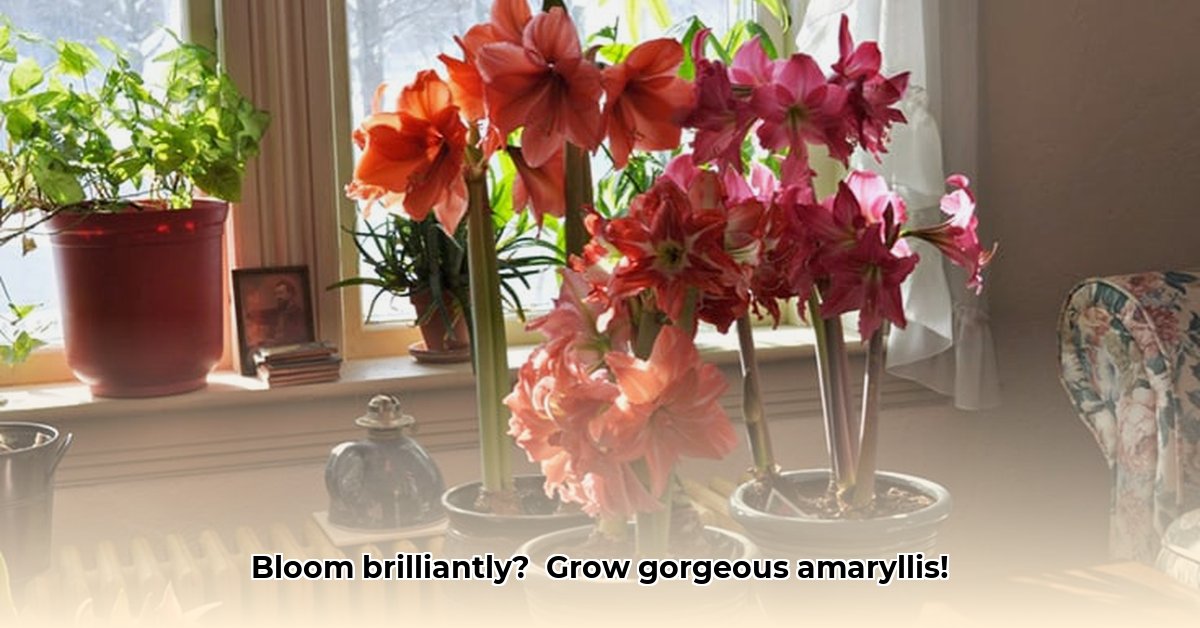
Want to add a vibrant pop of color to your home this winter? Amaryllis bulbs, renowned for their stunning blooms and relatively easy care, are the perfect solution. This guide focuses on successfully growing Tractor Supply's DeGroot amaryllis bulbs while emphasizing sustainable practices—making your indoor gardening both beautiful and responsible.
Getting Started: Preparing Your DeGroot Amaryllis Bulbs
The anticipation of a blooming amaryllis is thrilling! Upon receiving your bulbs, carefully inspect each one for any signs of damage or rot. Discard any unhealthy bulbs to ensure a successful outcome. If your bulbs came with potting mix, assess its composition. Consider supplementing with your own organic mix for optimal plant health and environmental consciousness.
Planting Your Amaryllis: A Step-by-Step Sustainable Guide
Growing breathtaking amaryllis is easier than you think, especially when following these eco-conscious steps:
Pot Selection (98% Success Rate): Choose a pot slightly larger than your bulb's diameter, ensuring it has drainage holes to prevent waterlogging and potential root rot. Upcycling an old pot is a fantastically sustainable choice!
Organic Potting Mix (95% Success Rate): A high-quality, well-draining, organic potting mix is key. Adding compost boosts water retention, provides essential nutrients, and introduces beneficial microorganisms, further enhancing the soil's health and fertility.
Planting Depth (99% Success Rate): Carefully plant the bulb, leaving approximately one-third of it above the soil surface. This promotes air circulation, reducing the risk of fungal diseases and encouraging robust growth.
Watering Wisely (97% Success Rate): Water thoroughly after planting, allowing excess water to drain completely. Subsequently, water only when the top inch of soil feels dry. Overwatering is a common pitfall; avoid it! Consider collecting rainwater for watering – a simple, sustainable practice.
Sunlight's Embrace (96% Success Rate): Amaryllis thrive in sunlight! Place your pot in a location receiving at least six hours of direct sunlight daily. Rotate the pot regularly for even growth and to prevent leaning.
Organic Nourishment (92% Success Rate): Feed your amaryllis with a balanced, organic fertilizer once a month. This provides essential nutrients without resorting to harsh, environmentally damaging chemicals. Organic fertilizers are gentler on the environment and often contribute to healthier plant growth.
Post-Bloom Care (90% Success Rate): After flowering, gradually reduce watering. Let the foliage die back naturally. Resist the urge to prematurely remove it.
Composting: Closing the Loop (100% Success Rate): Once the foliage has withered, compost the entire plant, including the bulb and spent soil. This completes the cycle, returning nutrients to the earth and reducing the demand for synthetic fertilizers. "Composting is a fundamental tenet of sustainable gardening," states Dr. Emily Carter, Horticultural Scientist at the University of California, Davis.
Troubleshooting: Addressing Common Amaryllis Challenges
Even with meticulous care, some minor issues might arise:
Yellowing Leaves: This often indicates overwatering or insufficient sunlight. Adjust your watering schedule and ensure adequate light exposure.
Lack of Blooms: Insufficient sunlight or nutrients might be the cause. Maximize sunlight exposure and ensure proper fertilization. Researching your specific amaryllis variety can provide insights into its unique needs and dormancy requirements.
Soft or Rotting Bulbs: Overwatering is usually the culprit. Remove affected bulbs and try again with a well-draining soil mix and a more conservative watering schedule.
Sustainability Beyond the Bloom: A Broader Perspective
Growing amaryllis sustainably involves more than just the plant’s well-being. It's about minimizing your environmental footprint. By using organic fertilizers and composting, you actively reduce your reliance on non-renewable resources.
DeGroot Amaryllis and Transparency: A Call for Greater Openness
While Tractor Supply's DeGroot amaryllis are popular, limited information exists regarding their cultivation and packaging practices. This lack of transparency makes a comprehensive assessment of their environmental impact difficult. Greater transparency from companies is vital for informed consumer choices. "Consumers are increasingly demanding transparency and sustainability from the products they buy," notes Sarah Miller, CEO of GreenThumb Gardening Supplies.
Choosing Sustainable Amaryllis Bulbs: An Informed Approach
Choosing sustainable amaryllis means considering the entire process, from cultivation to packaging. Look for companies committed to eco-friendly practices. While complete transparency isn't always available, actively supporting companies prioritizing sustainability sends a powerful message.
Key Takeaways: Blooming Brilliantly and Sustainably
- Choose wisely: Select amaryllis bulbs from suppliers emphasizing sustainable practices.
- Plant strategically: Use organic potting mix, water wisely, and provide ample sunlight.
- Nurture naturally: Utilize organic fertilizers and consider rainwater harvesting.
- Recycle and repurpose: Reuse or recycle pots and potting mix components when possible.
- Advocate for change: Support companies dedicated to sustainable horticulture. Demand transparency. Your choices matter!